Anaemias
What is Anaemia?
Anemia is a condition that develops when your blood does not contain enough healthy red blood cells or hemoglobin. These cells are important for carrying oxygen around the body.
Iron deficiency anemia is the most common type of anemia in India and worldwide.
Iron deficiency anemia is the most common type of anemia in India and worldwide.
Symptoms of iron deficiency anemia include:
- Tiredness, lethargy, lack of energy
- Shortness of breath
- Paler complexion
- Dry nails
Iron deficiency risk factors
Women of child-bearing age and people with chronic diseases are at increased risk of anemia. Important factors to remember are:

Certain forms of anemia are hereditary and infants may be affected from the time of birth.
Women in the childbearing years are particularly susceptible to a form of anemia called iron-deficiency anemia, because of the blood loss from menstruation and the increased blood supply demands during pregnancy.
The elderly may also have a greater risk of developing anemia because of poor diet and other medical conditions.
There are many types of anemia. All are very different in their causes and treatments. Iron-deficiency anemia, the most common type, is easily treated with dietary changes and iron supplements. However, some types of anaemia may present lifelong health problems.
Women in the childbearing years are particularly susceptible to a form of anemia called iron-deficiency anemia, because of the blood loss from menstruation and the increased blood supply demands during pregnancy.
The elderly may also have a greater risk of developing anemia because of poor diet and other medical conditions.
There are many types of anemia. All are very different in their causes and treatments. Iron-deficiency anemia, the most common type, is easily treated with dietary changes and iron supplements. However, some types of anaemia may present lifelong health problems.
What causes Anaemia?
There are more than 400 types of anaemia, which are divided into three groupings:
- Anaemia caused by blood loss
- Anaemia caused by decreased or faulty red blood cell production
- Anaemia caused by excessive destruction of red blood cells
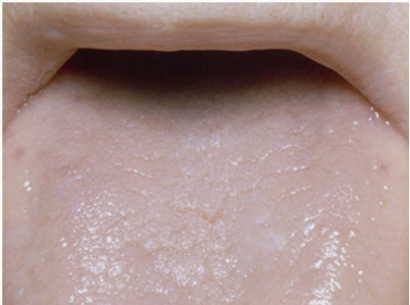
Anaemia caused by blood loss
Red blood cells can be lost through bleeding, which can occur slowly over a long period of time, and can often go undetected. This kind of chronic bleeding commonly results from the following:
- Gastrointestinal conditions such as ulcers, hemorrhoids (piles), gastritis (inflammation of the stomach) and cancer of the bowel.
- Menstruation and childbirth in women, especially if menstrual bleeding is excessive and if there are multiple pregnancies
Anemia caused by decreased or faulty red blood cell production
The body may produce too few blood cells or the blood cells may not work properly. In either case, anemia can result. Red blood cells may be faulty or decreased due to abnormal red blood cells or a lack of minerals and vitamins needed for red blood cells to work properly. Conditions associated with these causes of anemia include the following:
- Sickle cell anemia
- Thalassaemia
- Iron deficiency anemia
- Vitamin deficiency
- Bone marrow and stem cell problems
- Other health conditions
Iron deficiency anaemia occurs because of a lack of the mineral iron in the body. Bone marrow, found in the centre of the long bones in the body, needs iron to make haemoglobin, the part of the red blood cell that transports oxygen to the body’s organs. Without adequate iron, the body cannot produce enough haemoglobin for red blood cells. The result is iron deficiency anaemia. Iron deficiency anaemia can be caused by the following:
- An iron-poor diet, especially in infants, children, teens and vegetarians
- The metabolic demands of pregnancy and breastfeeding that deplete a woman's iron stores
- Menstruation
- Frequent blood donation
- Endurance training
- Conditions affecting the bowel, such as Crohn's disease or surgical removal of part of the stomach or small intestine
- Certain drugs, foods, and caffeinated drinks

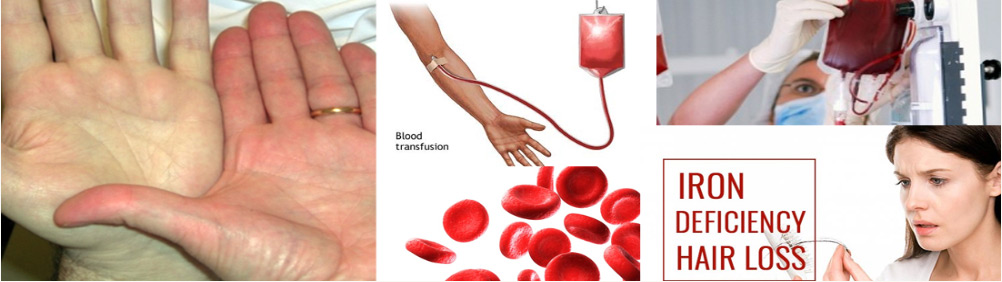
FAST TRACK ANAEMIA CLINIC
(BASED ON A MODEL FROM GUYS AND ST THOMAS, LONDON)
Anaemia is reduction of hemoglobin (HB) in the body. Normal Hb for women is 12-14g/dl and for men 13-15g/dl.
SYMPTOMS:
Reduced Hb means easy tiredness, weakness, and headache, shortness of breath on minimal exertion, lack of concentration, pigmented skin and hair loss
DISEASE BURDEN:
The Global Nutrition Report 2017 was presented at Milan in Italy recently and it emphasizes on the urgent need to integrate our actions on global nutrition if Indiahopes to meet its Sustainable Development Goals of Agenda 2030.
According to the data revealed by the report, India is facing a serious threat of under-nutrition where more than half of the women of reproductive age suffer from anemia.
51 per cent of the women of reproductive age suffer from anemia, majority being iron deficiency anaemia
CAUSES:
There can many causes of blood loss like poor nutrition, blood loss or malabsorption. It is important to find the cause of anaemia before treatment
TREATMENT:
My aim is to reduce to burden of anaemia in the community by a rapid diagnostic and treatment approach of anaemia.
Our aim is to avoid unnecessary blood transfusions, provide rapid screening, investigations and treatment to correct the anaemia as soon as possible.
SYMPTOMS:
Reduced Hb means easy tiredness, weakness, and headache, shortness of breath on minimal exertion, lack of concentration, pigmented skin and hair loss
DISEASE BURDEN:
The Global Nutrition Report 2017 was presented at Milan in Italy recently and it emphasizes on the urgent need to integrate our actions on global nutrition if Indiahopes to meet its Sustainable Development Goals of Agenda 2030.
According to the data revealed by the report, India is facing a serious threat of under-nutrition where more than half of the women of reproductive age suffer from anemia.
51 per cent of the women of reproductive age suffer from anemia, majority being iron deficiency anaemia
CAUSES:
There can many causes of blood loss like poor nutrition, blood loss or malabsorption. It is important to find the cause of anaemia before treatment
TREATMENT:
My aim is to reduce to burden of anaemia in the community by a rapid diagnostic and treatment approach of anaemia.
Our aim is to avoid unnecessary blood transfusions, provide rapid screening, investigations and treatment to correct the anaemia as soon as possible.